
After seven years of exclusivity on ESPN, the UFC has jumped ship to Paramount+ after signing a seven-year, $7.7 billion deal. To kick off the new partnership, 2026 began with UFC 324 and UFC 325 held consecutively over the past two weeks. Typical UFC main events take place about once a month, with a few smaller events scattered throughout the calendar. Jumping into a loaded lineup of fights gave fans a strong first impression of the new partnership. However, most fans and critics alike are focused on a bigger, permanent change: cost.
Prior to the partnership with Paramount+, UFC events were primarily pay-per-view. One of the biggest problems with the UFC in recent years, compared to other sports, has been the cost of viewing. For years, the price of a single UFC pay-per-view was upward of $80. With Paramount+, a standard membership costs $8.99 per month, while the premium tier costs $13.99. With both plans, all UFC events are included at no additional cost. A year of UFC fights on ESPN+ could cost upward of $1,100. Now, that cost is nearly a tenth of what it once was, ranging from roughly $90 to $140 annually, depending on the membership.
The UFC is now more legally accessible than it has ever been. In recent years, illegal streaming websites and piracy have become major issues for the sport. Due to the high cost of each event, many fans turned to illegal third-party sources to watch fights. With the new pricing model, the UFC is far more affordable and accessible, especially for college students looking to get familiar with the sport. This increase in accessibility allows the UFC to continue growing in popularity while reaching a wider audience.
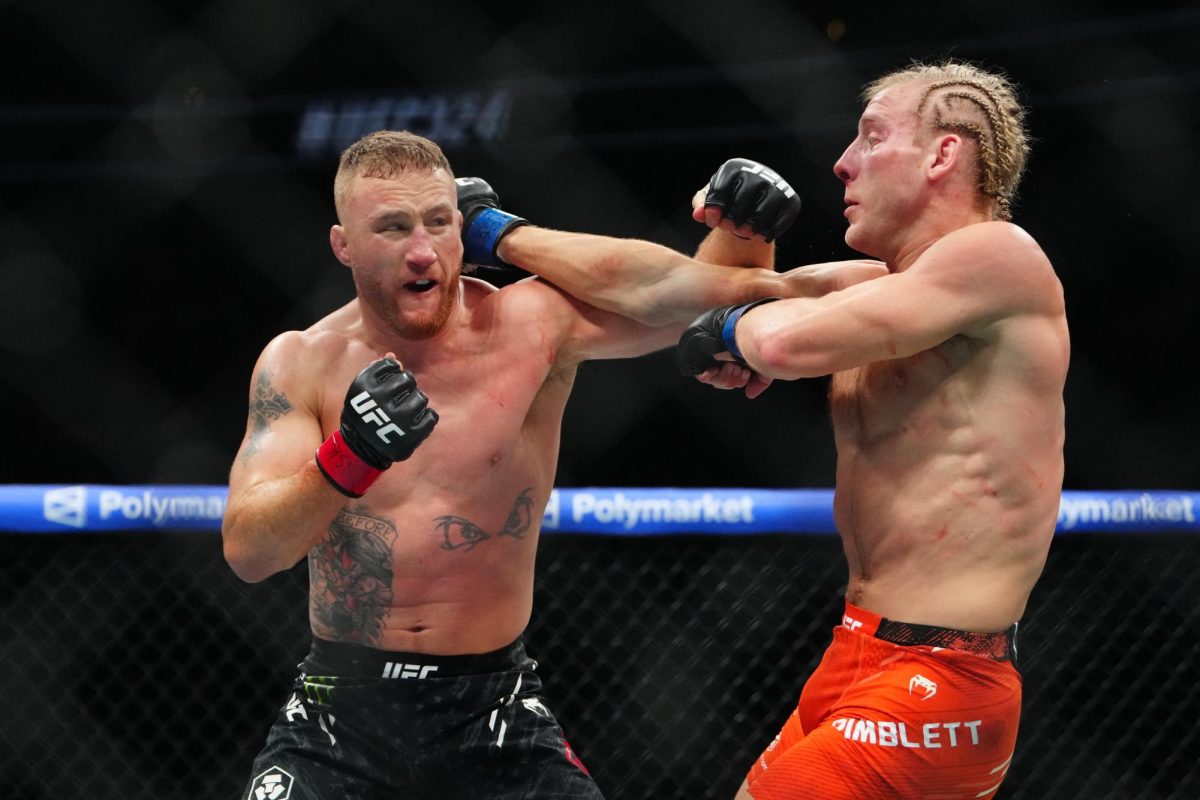
The fights themselves were just as — if not more — entertaining and action-packed. Whether it was anticipation or the new platform, each bout felt elevated, particularly at UFC 324. The main event between Justin Gaethje and Paddy Pimblett is already considered a contender for fight of the year. Both fighters stood their ground and exchanged heavy shots, refusing to back down. UFC 325 also delivered in its main event, as Alexander Volkanovski, 37, successfully defended his featherweight championship in his second victory over rising star Diego Lopes. The two introductory cards on Paramount+ delivered in a big way and gave UFC fans plenty to look forward to in the new partnership.
However, after watching both events and reviewing feedback from fans and professionals alike, some changes did not sit well with viewers on Paramount+. The biggest concern was the volume of advertisements. Entire fighter walkouts were not broadcast due to ads, which is a major issue for fight fans. A fighter’s walkout builds anticipation and adds to the intimidation factor before a bout. Additionally, between rounds, the UFC often places cameras in fighters’ corners, creating an immersive experience for viewers. Hearing coaches’ advice provides insight into strategy and what to expect in upcoming rounds. During both events, these moments were frequently overshadowed by on-screen advertisements.
Traditionally, UFC break periods are structured, with advertisements airing primarily between fights. When fighters are inside the cage, the experience has historically been ad-free. That standard appeared to shift under the new platform.
The solution to the advertising issue is simple: purchase the premium membership. However, not all viewers can afford to upgrade. The difference between a standard and premium membership over a year is about $50. For fans who dislike frequent ads, the added cost may feel unavoidable. Many viewers expressed frustration with the volume of advertisements, saying it distracted from the immersive experience the UFC is known for.
Still, for longtime fans, the trade-off may be worth it. The overall cost of watching UFC fights has dropped significantly, offering nearly the same experience for a fraction of the price. Watching a few additional ads is far preferable to paying $80 per event. The UFC’s move to streaming is likely to attract a larger audience and make the sport even more accessible. Fans no longer need to rely on illegal streaming sites to stay up to date, and the future looks bright for the sport moving forward.


